How I Prepare My Goats & Chickens for Cooler Weather: What I Check Every Fall

Updated: Oct 17
Cooler weather does not mean I suddenly start doing something completely different with my goats. Most of my fall prep is really about checking the basics before cold, wet weather gives me a reason to wish I had done it earlier.
Goats handle cold better than a lot of people expect, but cold plus wet plus wind is a different story. My goal is to make sure they have a dry place to get out of the weather, plenty of forage, reliable water, and that I catch little problems before they turn into bigger ones.
How I Prep the Goats
I also made a video showing some of the things I do as I get the goats ready for cooler weather.

1. I Check the Shelter Before the Weather Turns
The first thing I look at is whether the shelter is actually going to stay dry when the wind and rain pick up. A shelter that looks fine on a sunny day can be a completely different story during a cold sideways rain.
I check the roof for leaks, make sure bedding stays dry, and look for obvious drafts where the goats sleep. I still want ventilation—closing a shelter up too tightly can trap moisture—but I do want them protected from direct wind and rain.
2. I Make Sure Bedding Is Dry and Deep Enough
Winter is actually when I start adding bedding to every building the goats sleep in. During spring, summer, and most of fall here in South Carolina, they are way too hot to want anything to do with bedding, so I do not keep it piled in there year-round. Unless we have a doe about to kid of course.
Once the colder weather settles in, I add clean, dry bedding so they have a warmer, more comfortable place to lie down. I still keep an eye on moisture and replace anything wet because dry bedding matters a lot more than just having a thick layer sitting there.

3. I Pay More Attention to Hay
When temperatures drop, forage becomes even more important. Hay is not just something to keep in front of them because they are bored—the process of digesting forage helps goats generate body heat.
I make sure hay is available, dry, and protected from getting wasted or soaked. This is also when I check that the hay feeder setup is still working well before I am standing outside fixing something in the cold for hours.

4. I Check Their Minerals
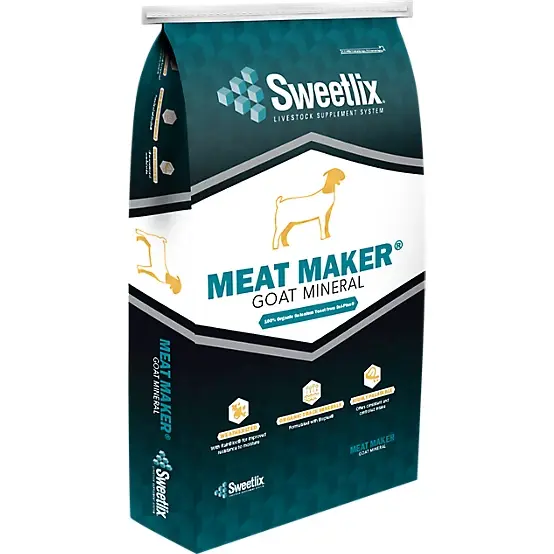
I keep loose goat minerals available year-round, but fall is a good reminder to check the mineral feeder, clean it out if needed, and make sure the minerals have not gotten damp or clumpy.
I do not suddenly start adding random supplements just because the weather changes. I would rather keep the basics consistent and pay attention to the individual goat in front of me.
5. I Make Sure Water Will Stay Easy to Access
Goats still need plenty of clean water when it is cold, and sometimes they drink less when the water is freezing cold or difficult to reach.
Before we get colder nights, I check buckets, troughs, hoses, and whatever else I am using so I am not discovering a problem at the worst possible time. If freezing weather is expected, I make a plan for keeping water available and checking it more often. Also adding hot water to the troughs to make the water not as cold.

6. I Do a Hoof Check
Fall is a good time for me to look at everybody's feet before we get into long stretches of wet weather. Overgrown hooves plus mud is not a combination I want to ignore.
I trim what needs trimming and look for anything unusual—odor, soreness, soft areas, limping, or places that look irritated. If something looks wrong, I deal with it early instead of waiting for the weather to make it harder.

7. I Check Body Condition, Not Just Their Fluff
A fuzzy winter coat can make a goat look much rounder than she really is. Once coats start filling in, I put my hands on them instead of judging body condition by sight alone.
I want to notice weight loss before winter is fully here. If a goat is losing condition, acting off, eating poorly, or falling behind the rest of the herd, that is something I take seriously rather than assuming she is just cold.

8. I Make Sure My First Aid Supplies Are Stocked
Cold weather has a way of making every small inconvenience feel ten times worse, so I would rather find out I am low on gauze, gloves, saline, or electrolyte powder while I am standing in my kitchen—not while dealing with a goat problem after dark.
I check the basics, replace anything expired or used up, and make sure the things I reach for most are easy to grab.

9. I Watch the Weather, But I Watch the Goats More
The temperature on the weather app is useful, but the goats themselves tell me more. A healthy adult goat with a dry coat, good body condition, plenty of hay, and a place out of the wind may be perfectly comfortable in weather that looks cold to us.
A goat that is shivering continuously, hunched, not eating, weak, isolated from the herd, or acting unusually needs attention. I do not assume every behavior change is 'just the cold.'
What I Don’t Automatically Do
I do not automatically put coats on healthy adult goats just because the temperature drops. A coat can flatten the natural insulation of a healthy winter coat, get wet, or create problems if it does not fit correctly.
There are situations where extra protection may make sense—very young kids, sick goats, thin goats, recently clipped animals, or an animal your veterinarian has advised you to protect—but I look at the goat and the conditions rather than using one temperature as a rule for everybody.
How I Prep the Chickens
Our chickens get their own cold-weather prep too. With them, I care less about making the coop warm and more about keeping them dry, cutting the wind, keeping fresh air moving, and making sure food and water stay easy to access.
1. We Cover Their Pens With Clear Shower Curtains
One thing we actually do every year is cover the sides of their pens with clear shower curtains. They block a lot of the cold wind, but because they are clear the chickens still get plenty of natural sunlight during the day.
I like this better than completely closing everything in because the pens still feel bright instead of dark and boxed-in. We secure the curtains well so they do not flap around, and we do not seal the entire setup airtight—we still want ventilation and fresh air.

2. I Check the Coop for Leaks & Ventilation
A dry chicken can handle cold weather much better than a damp one. I check the roof and walls for leaks and make sure cold air is not blowing directly across where they roost at night.
At the same time, I do not seal the coop up airtight. Chickens put a surprising amount of moisture into the air through breathing and droppings, so I still want ventilation higher up where humid air can escape without creating a direct draft on the birds.
3. I Refresh the Bedding
Before colder weather settles in, I clean out wet or dirty spots and make sure the coop has plenty of clean, dry bedding. Damp litter is one of the things I really do not want going into cold nights.
I keep checking it through the season because dry bedding matters more to me than trying to make the coop feel heated.

4. I Check the Roosts
At night, I want everybody actually getting up on the roost instead of sleeping on the floor or wedging themselves somewhere strange. A solid, comfortable roost lets them settle in together and cover their feet with their feathers while they sleep.
This is also when I make sure the roosts are secure and there is enough room for the whole flock without everybody fighting for one favorite spot.
5. I Make a Plan for Frozen Water
Water is usually the part of cold-weather chicken care that becomes annoying first. Before freezing nights, I make sure the waterer is working well and decide how I am going to keep fresh water available if it starts icing over.
That might mean checking and replacing water more often or using a properly rated heated poultry waterer in a safe setup. Either way, I do not want to discover the problem after the water has already frozen solid.
6. I Keep Their Regular Feed Available
I keep their normal balanced feed as the main diet through cold weather. They may eat more when it is colder, so I pay attention to how quickly the feeder is emptying and make sure they are not running out.
Treats and scratch can be fun, but I do not want treats replacing the nutrition they are supposed to be getting from their regular feed.

7. I Watch the Birds That Are Molting or Thin
Fall can overlap with molt, which means some chickens look rough right when the weather starts cooling down. I pay extra attention to birds that are still growing feathers back, losing weight, getting pushed away from feed, or just not looking like themselves.
A fluffy chicken can hide body condition just like a fuzzy goat can, so sometimes I need to actually pick one up and check rather than judging by appearance alone.

8. I Watch Combs & Wattles During Freezing Weather
Large combs and wattles are more exposed during freezing weather, especially if the coop is damp. I focus first on keeping the coop dry and ventilated and then watch for pale, gray, swollen, or darkened tissue that could mean cold injury.
If a bird has a significant cold injury, is weak, stops eating, or is acting abnormal, that is when I would rather get veterinary guidance than guess at treatment.
9. I Give Them a Drier Place to Be Outside
Our chickens still want to go outside when it is cold, but wet mud and cold wind can make the run miserable. The clear shower curtains help with the wind, and I also try to make sure they have at least part of the area where they can stay dry.
10. I Collect Eggs More Often When It Freezes
Once temperatures are dropping below freezing, I try not to leave eggs sitting in the nest boxes all day. Frozen eggs can crack, and once the shell is cracked I do not treat it like a normal clean egg for the kitchen. I have found quite a few frozen eggs in our nesting boxes that only sat a few hours on freezing day.

Cold-Weather Prep Is Mostly About the Basics
I have found that cooler-weather care for both goats and chickens is mostly about getting the basics right before the weather turns ugly: dry shelter, good food, clean water, ventilation, wind protection, and paying attention to the animals in front of me.
If those basics are handled before the weather gets ugly, I am much less likely to be outside in the cold trying to fix something I could have dealt with two weeks earlier.
More From the Homestead
What Do Goats Eat? What I Feed Mine, Minerals I Use & What I Avoid
What I Would Tell Someone Getting Goats Tomorrow: 12 Things to Know First
Cheap Goat Fencing Ideas: Pallet Fence vs. Wire Fence (What Worked for Us)
Is My Goat Actually in Labor? Kidding Signs, Timing & the Questions Nobody Seems to Answer
What Fall Prep Actually Looks Like on Our South Carolina Homestead
Want the Next Post Sent Straight to You?
New recipes, homestead life, seasonal ideas, Amazon finds & real-life favorites twice a week — every Monday & Friday.


Comments