What I Would Tell Someone Getting Goats Tomorrow: 12 Things to Know First

Updated: Oct 17
If you told me today that you were bringing home goats tomorrow, I would be excited for you — and then I would probably start firing off a ridiculous number of questions. Not because goats are impossible. They are not. But they are one of those animals that are a whole lot easier to enjoy when you have the basics ready before they step off the trailer.
Goats are funny, nosy, dramatic, smart, sweet, destructive little creatures. They can also find the one weak place in your fence, the one plant you did not want eaten, and the one thing you forgot to secure. So if I had one day to prepare somebody for goat ownership, this is what I would tell them.

1. Finish the Fence Before You Bring Home the Goats
Do not make the fence something you are planning to finish after they arrive. Finish it first. Walk the entire fence line. Check gates, corners, loose wire, low spots, spaces under the fence, and anywhere a smaller goat could squeeze through.
For a main goat fence, I would choose strong livestock fencing such as woven wire. Chicken wire can be useful for closing smaller gaps or certain areas, but I would not count on lightweight poultry wire as the only thing keeping a determined goat where it belongs.
And I would absolutely look at the fence from goat level. If there is a tiny opening that makes you think, ‘There is no way they can fit through that,’ just assume one of them is going to take that personally and prove you wrong.
2. Plan on at Least Two Goats
Goats are herd animals. I would plan on bringing home at least two compatible goats rather than keeping one alone. They eat together, rest together, call for each other, and generally feel safer with another goat around.
Yes, two goats also means they have a partner for bad decisions. That is part of the package.
3. Hay and Forage Come Before Grain
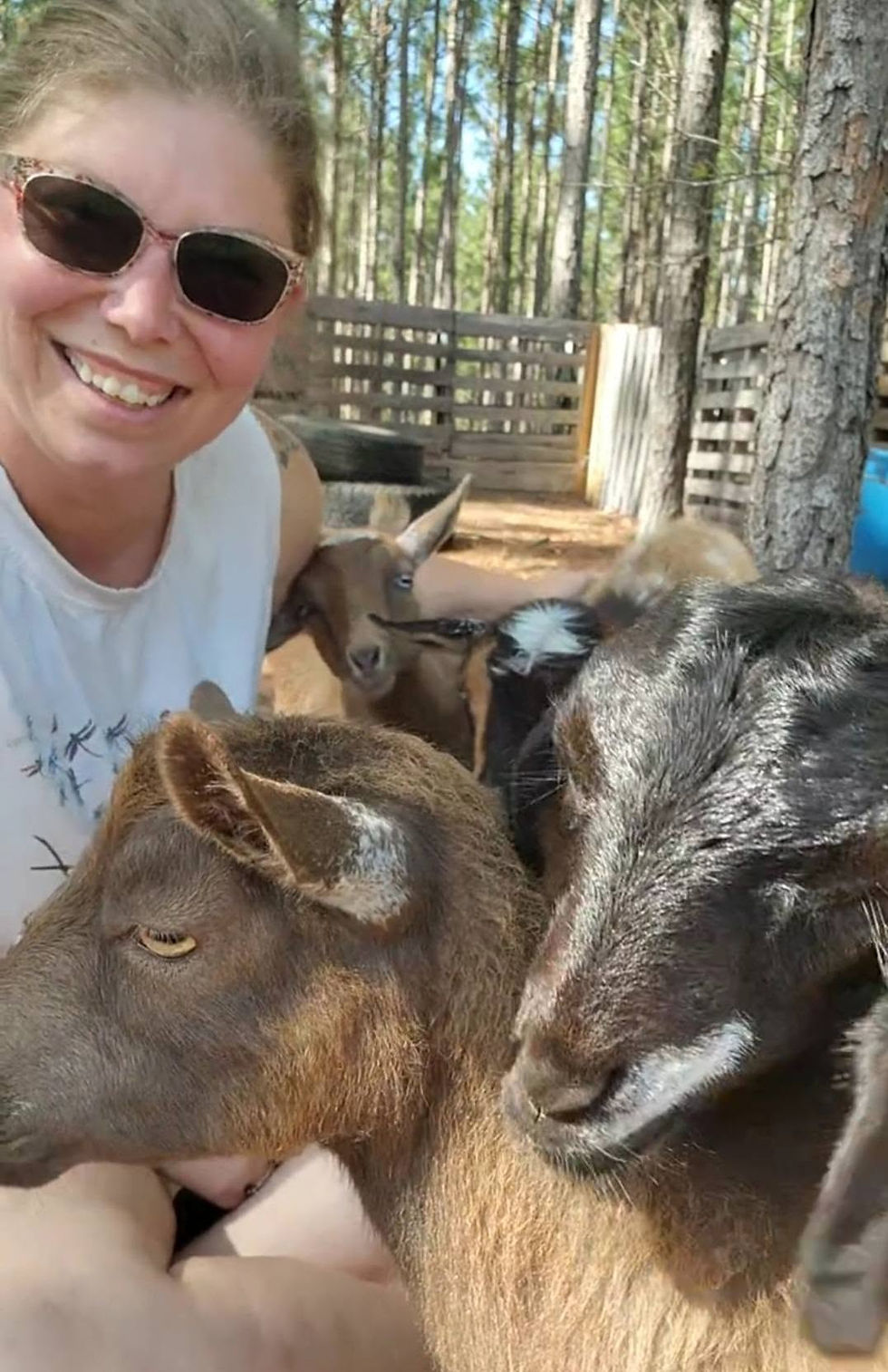
This is probably one of the biggest feeding things I would want a new goat owner to understand. Grain is not supposed to be the foundation of the diet. Good forage, hay, clean water, and a proper goat mineral come first.
I use grain more strategically. Pregnant does and does that are being milked are the goats I rely on it for most. For my herd, I make my own mix with oats, barley, sunflower seeds, Milk Maker goat feed, and alfalfa pellets. The rest of our herd gets much smaller amounts once a day.
That is what works for my herd. It is not a universal recipe for every goat. Age, sex, body condition, pregnancy, lactation, the quality of the hay or pasture, and the rest of the ration all matter.
4. Be Extra Careful With Grain and Wethers
If you are getting a wether(male goat that is castrated), I would want this on your radar from day one. Male goats can develop urinary calculi, which are stones that can block the urinary tract. High-concentrate or poorly balanced grain diets can increase the risk, especially when the calcium-to-phosphorus balance is wrong.
That does not mean a wether can never receive concentrate feed. It does mean I would be much more careful about the overall ration, plenty of forage, clean water, and whether the feed is balanced appropriately for male goats. Look for feed that has Ammonium Chloride in the ingredients.
If a male goat is repeatedly stretching, straining to urinate, dribbling only a small amount, acting painful, or cannot urinate, I would call a veterinarian immediately. A urinary blockage can become life-threatening and is not something I would wait on.

5. Loose Goat Mineral Is Part of the Basic Setup
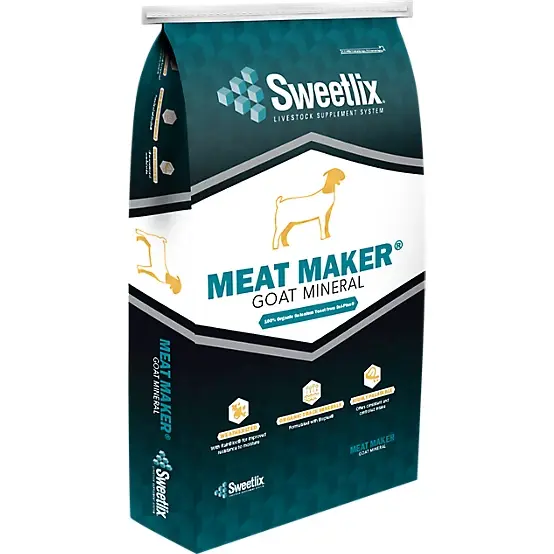
I would have a quality loose mineral made for goats ready before the goats came home and keep it available somewhere clean and dry. We use Sweetlix Meat Maker goat mineral.
Goats have different mineral needs than sheep, and copper is one of the reasons I pay attention to what the mineral is actually formulated for. I would not assume any generic livestock mineral is close enough.
A Quick Word About Copper
A rough or faded coat, poor growth or condition, anemia, diarrhea, and reproductive problems can be associated with copper deficiency, but those signs can also have other causes. I would not give a copper bolus just because a goat’s coat looks a little off.
If I suspected a copper problem, I would look at the whole picture — what mineral they are eating, how much they actually consume, the rest of the diet, and whether the water or feed contains minerals such as sulfur, molybdenum, or iron that can interfere with copper availability. Copper can also become toxic if too much is given, so this is one of those areas where more is not automatically better.
6. You Are Going to Become a Goat Pedicurist
Nobody really warns you about the feet. Goat hooves keep growing, and routine hoof care is part of owning goats. I would start checking feet regularly from day one instead of waiting until a hoof looks obviously overgrown.
A good general routine is to check about every 4–6 weeks and trim when needed. Terrain, moisture, activity level, and the individual goat all affect how quickly hooves wear down.
7. Learn What Normal Looks Like Before Something Is Wrong
One of the most useful things you can do is simply watch your goats when they are healthy. Know how they normally eat, chew cud, walk, interact, poop, pee, and act when you bring food.
When you know normal, you notice abnormal faster. A goat that suddenly hangs back, refuses feed, stops chewing cud, has diarrhea, seems weak, strains to urinate, or just acts very different from usual deserves a closer look.
8. Ask the Seller More Questions Than You Think You Need To
Before I loaded a goat into my trailer, I would want to know exactly what it is eating now so I could make feed changes gradually. Sudden diet changes are not something I would play around with in a ruminant.
I would also ask about age, sex, whether a male is intact or wethered, horn or polled status, parasite history, recent illness, breeding or kidding history when relevant, and what health testing the breeder does.
I would rather ask ten extra questions before bringing the goat home than discover ten surprises afterward.
9. Give Them a Dry Shelter — and Give Yourself a Way to Catch Them
A goat shelter does not have to be fancy. It does need to stay reasonably dry, protect them from bad weather, and have ventilation.
I would also make sure I had a smaller pen, stall, gate setup, or another way to safely contain a goat for hoof trims, medications, kidding, injuries, or the random day one of them decides they have never seen a human before in their entire life.

10. Buy the Boring Stuff Before the Cute Goat
Secure fencing and gates
A dry shelter and bedding area
Hay and a feeder that helps keep it clean
Clean water containers
Loose goat mineral and a mineral feeder
Hoof trimmers
Feed storage that keeps moisture and rodents out
A basic first-aid setup
The phone number for a livestock veterinarian
For our hay, we even turned large wheeled trash cans into feeders. We drill access holes around them and an entire square bale fits inside. It is one of those simple setups that has worked really well for us.
11. The Goat Itself May Be the Cheap Part
The purchase price is only the beginning. Fence, hay, minerals, feeders, shelter, bedding, hoof care, parasite management, and veterinary care are the things that keep showing up long after the cute little goat is already yours.
That does not mean goats have to be ridiculously expensive. I just think it is better to know what the real ongoing costs are before buying instead of being surprised afterward.
12. And Yes, I Would Still Tell You to Get Goats
After everything I just said, yes — I still love having goats. They make me laugh constantly. They are nosy, dramatic, affectionate, stubborn, destructive, smart, and ridiculous, sometimes all before breakfast.
I just think people enjoy goats a whole lot more when they know what they are signing up for and have the basics ready before the trailer pulls in.
If I had to boil all of this down to one sentence, it would be this: buy the setup first and the goats second.
Keep Reading
If you liked this one, here are a few more from Vee's Gathered Life:
Want the Next Post Sent Straight to You?
New recipes, homestead life, seasonal ideas, Amazon finds & real-life favorites twice a week — every Monday & Friday.


Comments